Quantitative analysis of form and function across scales
Advancing skeletal imaging and therapeutics through collaboration and research


Education and Training
We aim to establish quality standards in bone morphometry as an essential research tool and to promote the dissemination of new knowledge, technological advances, and approaches to bone morphometry.

Research and Scholarship
Leadership panels include the ISBM Board of Directors, the ISBM Scientific Leadership Committee, the ISBM Early Career Investigator Committee, and the ISBM Working Groups. The full ISBM Congress is held once every two to three years.
Ready to find out more?
We welcome new members at all levels to join our efforts. Membership can be obtained by registering for and attending one of our in-person congresses of the ISBM. Learn more about the upcoming ISBM 2026 meeting here (July 4-7th, 2026 in London, England). Between meetings, new members can join anytime by registering online.
ISBM News
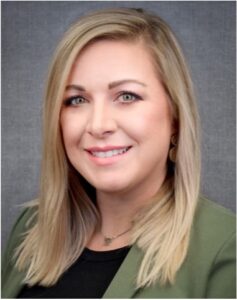
Dr. Randee Hunter
ISBM SLC Chair
Assistant Professor
The Ohio State University
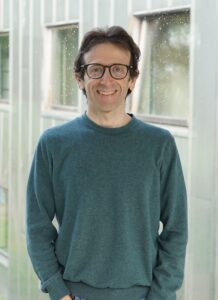
Dr. Davide Ruffoni
Assistant Professor
University of Liege, Belgium
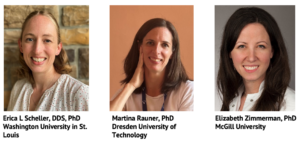
Dr. Erica Scheller
Washington University in St. Louis
Dr. Martina Rauner
Dresden University of Technology
Dr. Elizabeth Zimmerman
McGill University

Dr. Lilian Plotkin
Professor, Indiana University
Dr. Randee Hunter
Assistant Professor, The Ohio State University

Dr. Rémy Gauthier
CNRS, MatéIS laboratory
Materials Science Department
INSA de Lyon, France
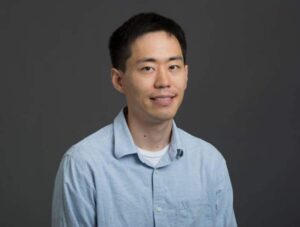
Dr. Frank Ko
Assistant Professor
Departments of Anatomy & Cell Biology and Orthopedic Surgery
Rush Medical College, Chicago, IL, USA
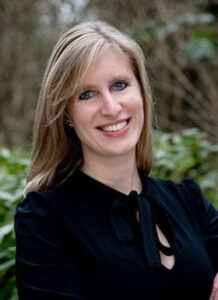
Dr. Naomi Dirckx
Assistant Professor
Department of Orthopaedics
Washington University in St. Louis, USA

Dr. Luke Johnston
Team Leader
Department of Clinical Medicine
SDCA-Steno Diabetes Center Aarhus
September 2025 Webinar – “The Roles of Osteoblasts in Breast Cancer Progression and Bone Metastasis”
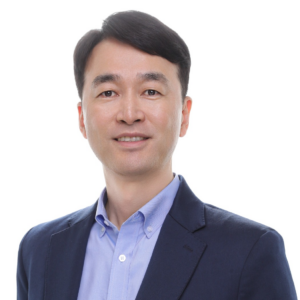
Dr. Serkin Park
Professor and Chair
Department of Biochemistry & Molecular Biology
College of Medicine
Korea University

Dr. Karl Jepsen
Associate Dean for Research
Professor of Orthopaedic Surgery and Biomedical Engineering
University of Michigan
